There is an undeniable power in the aesthetic of the working-class fighter, a figure supposedly forged in the daily grind of manual labor and standing tall against elite oppression. Yet nothing shatters that carefully crafted illusion faster than the cold, unvarnished reality of inherited privilege and political performance art. When the rhetoric of blue-collar solidarity is broadcast from the safety of a multi-million-dollar family estate, the entire narrative collapses.
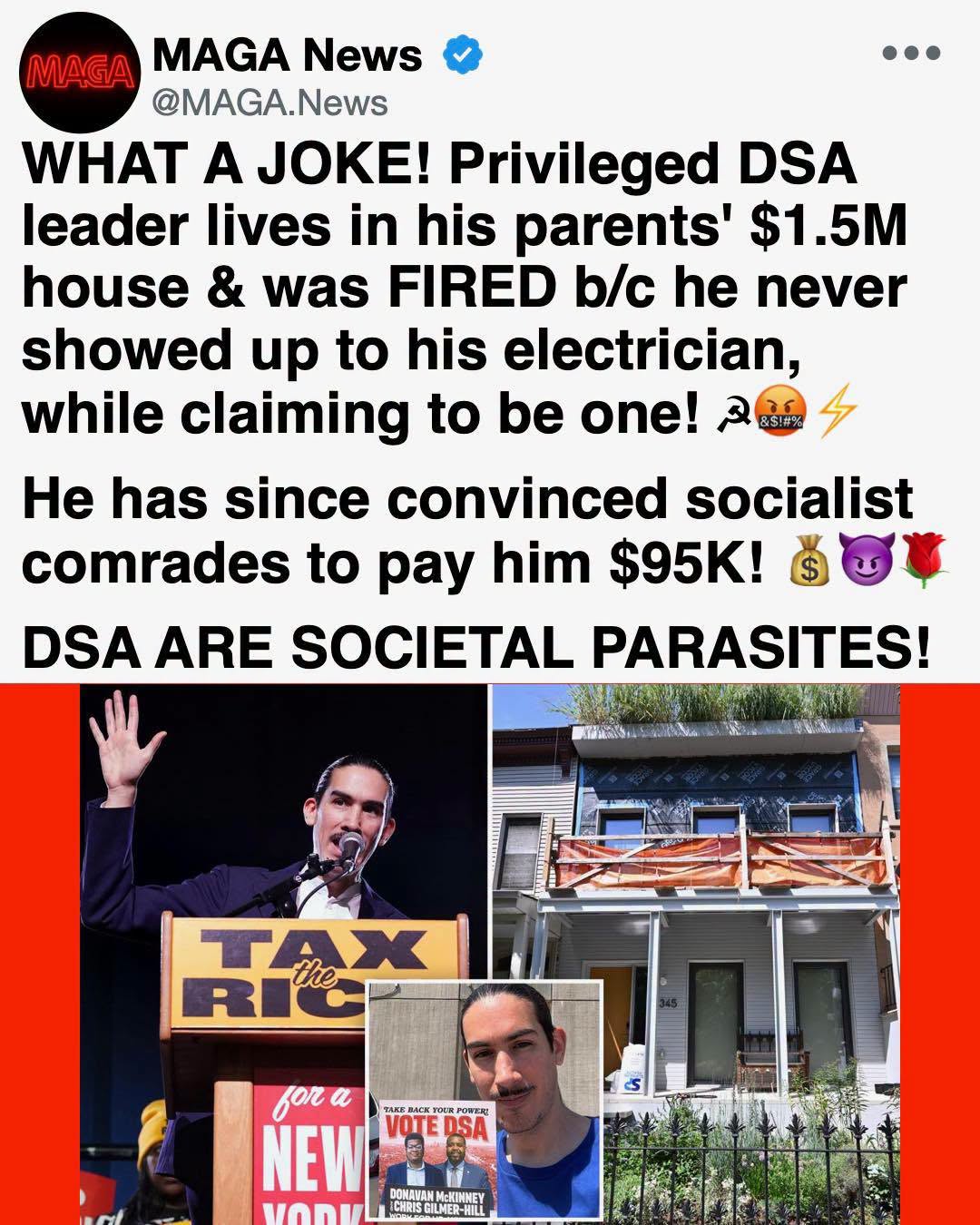
True working-class identity cannot be bought in a thrift shop or adopted as an election-cycle costume to manufacture credibility. It is defined by real economic precarity, grueling hours, and the unforgiving reality of showing up every single day just to survive. When self-styled champions of the proletariat treat hard labor as a temporary brand rather than a lived reality, everyday workers take notice.
The modern political landscape has witnessed a dramatic surge in populist posturing, where elite figures eagerly co-opt the language and symbols of the trades. They present themselves as authentic voices of the shop floor while enjoying private cushions that shield them from every consequence of real life. This growing divide between political branding and actual economic struggle has exposed a glaring authenticity crisis.
Consider the absurdity of someone claiming to represent the skilled trades while completely failing to perform the fundamental duties required by the job. Presenting oneself as an electrician makes for an extraordinary political narrative, but an image means nothing if you do not actually show up to do the work. The disconnect between curated identity and honest labor could not be more glaring.
Real tradespeople understand that skilled physical labor demands unwavering commitment, technical precision, and absolute dependability on the job site every single morning. Being dismissed from a trade position for non-attendance exposes the harsh truth behind the political facade. It reveals that the job was never a livelihood, but merely a prop used to establish working-class bona fides for a campaign.
In the real world of skilled labor, missing shifts has direct, painful, and immediate consequences for a worker’s family and household budget. When an actual electrician or pipefitter fails to report to work, their employment is terminated, and their income vanishes into thin air. There is no applause, no national media profile, and certainly no automatic financial bailout waiting on the other side.
Yet for those who simply play the role of the working person, getting fired is treated not as a crisis, but as an inconvenient detail easily swept under the rug. The branding remains pristine in political speeches even after the actual toolbelt has been quietly abandoned. It represents a cynical monetization of blue-collar struggle by individuals who never had to depend on the wage to survive.
The Safety Net of Ideological Patronage
The contradiction becomes even more offensive when the dismissed worker immediately lands a substantial salary paid directly by ideological allies. Instead of facing the terrifying financial uncertainty of unemployment, the failed tradesperson is promptly absorbed into a comfortable, well-funded political apparatus. Movement funds are mobilized to ensure that the individual never feels the sting of their own workplace failures.
This seamless transition from neglected manual labor to well-compensated political advocacy exposes the massive gap between everyday Americans and the activist elite. A generous salary provided by ideological backers transforms a career setback into a lucrative stepping stone. It proves that the working-class identity was always fully subsidized by political machinery operating behind the scenes.
For genuine laborers across the country, no such ideological safety net exists when hard times hit or paychecks stop coming. Ordinary workers must confront overdue bills, rising grocery prices, and impending rent without the benefit of wealthy patrons or activist donor networks. Watching elite agitators receive guaranteed payouts after walking away from real work generates deep and justified resentment.
Subsidizing political performers under the guise of grassroots organizing is the ultimate betrayal of the very people these groups claim to champion. When movement coffers are drained to maintain the lifestyles of privileged spokespeople, it reveals the self-serving nature of the entire enterprise. The funds do not elevate the working class; they insulate political actors from ever having to join it.
 Barricaded suspect Michael Wade Hargett charged with murder after two elderly women gunned down: cops
 Pennsylvania College Student Fatally Shot by Officer After Knocking on Wrong Door, Authorities Say
 Michigan Safety Director Sentenced to Prison After Five-Year-Old Thomas Cooper Dies in Hyperbaric Chamber Fire
This dynamic highlights a broader, undeniable pattern within contemporary socialist and radical organizing across the nation. The movement continually relies on the exact same private resources, generational wealth, and family safety nets that it routinely condemns in public speeches. Without the quiet backing of private capital, the entire apparatus of radical rhetoric would immediately grind to a halt.
Residing rent-free in multi-million-dollar family real estate while preaching the virtues of wealth redistribution is the ultimate exercise in ideological hypocrisy. It allows activists to posture as fierce critics of capital while enjoying the immense benefits of accumulated family property. The comfortable shelter of generational wealth provides a luxury playground where radical fantasies can be enacted without personal risk.
Living off family assets while simultaneously drawing movement funds for political agitprop is not economic justice or wealth redistribution. It is simply the conversion of private parental capital into an influential personal megaphone. By leveraging inherited security, political influencers can position themselves as revolutionary leaders while remaining completely detached from the economic laws governing everyone else.
Critics have long pointed out that true economic hardship imposes non-negotiable boundaries that make full-time ideological posturing impossible for the average citizen. When an activist has endless free time to preach revolution, it is almost always because someone else’s capital is paying the bills. The rhetoric of class war is financed by the very capitalist prosperity it seeks to dismantle.
When the Cosplay Collapses Under Reality
Authenticity in economic rhetoric demands that a spokesperson actually live under the constraints and pressures they claim to represent. You cannot authentically champion the working class while floating through life protected by inherited wealth and movement patronage. When the loudest voices demanding systemic upheaval operate from positions of total financial insulation, their message collapses under its own contradictions.
The fundamental dishonesty of blue-collar cosplay damages the credibility of genuine economic reform and insults everyday working people. When privileged individuals adopt the posture of the oppressed, they treat the severe struggles of real families as an aesthetic lifestyle choice. It transforms legitimate economic anxiety into a theatrical prop designed for social media engagement and political advancement.
Real workers who put in sixty hours a week under brutal conditions do not have the luxury of treating their employment as an optional hobby. They cannot afford to skip shifts, neglect their duties, and expect an ideological organization to hand them a comfortable stipend. The brutal double standard between working-class reality and activist privilege has never been more visible to the public.
The working men and women of this nation are far sharper and more observant than elite political strategists give them credit for. They can immediately sense the profound difference between someone who shares their daily burdens and someone who merely reads from a scripted talking point. No amount of populist rhetoric can disguise the unmistakable stench of unearned privilege and performative rebellion.
When class struggle is led by individuals who have never known the terror of an empty bank account, the entire movement becomes a farce. The authentic working class is left on the sidelines while trust-fund radicals lecture them on the nature of their own labor. It is a spectacle built on bad faith, maintained by private wealth, and driven by self-aggrandizement.
The strength of a free and prosperous society depends on celebrating real, honest labor rather than the curated illusions of political opportunists. Those who build, repair, and maintain the nation’s infrastructure deserve leaders whose authenticity is rooted in genuine sacrifice and lived experience. The masquerade of the privileged activist is finally losing its grip on the American public consciousness.
At the end of the day, voters and workers alike know exactly how to tell the difference between substance and stagecraft. They notice who actually punches a time clock in the cold dawn and who merely puts on a show for ideological applause. The truth has a way of cutting through the noise, leaving the political performers stranded on their own empty rhetoric.
No Comments yet!